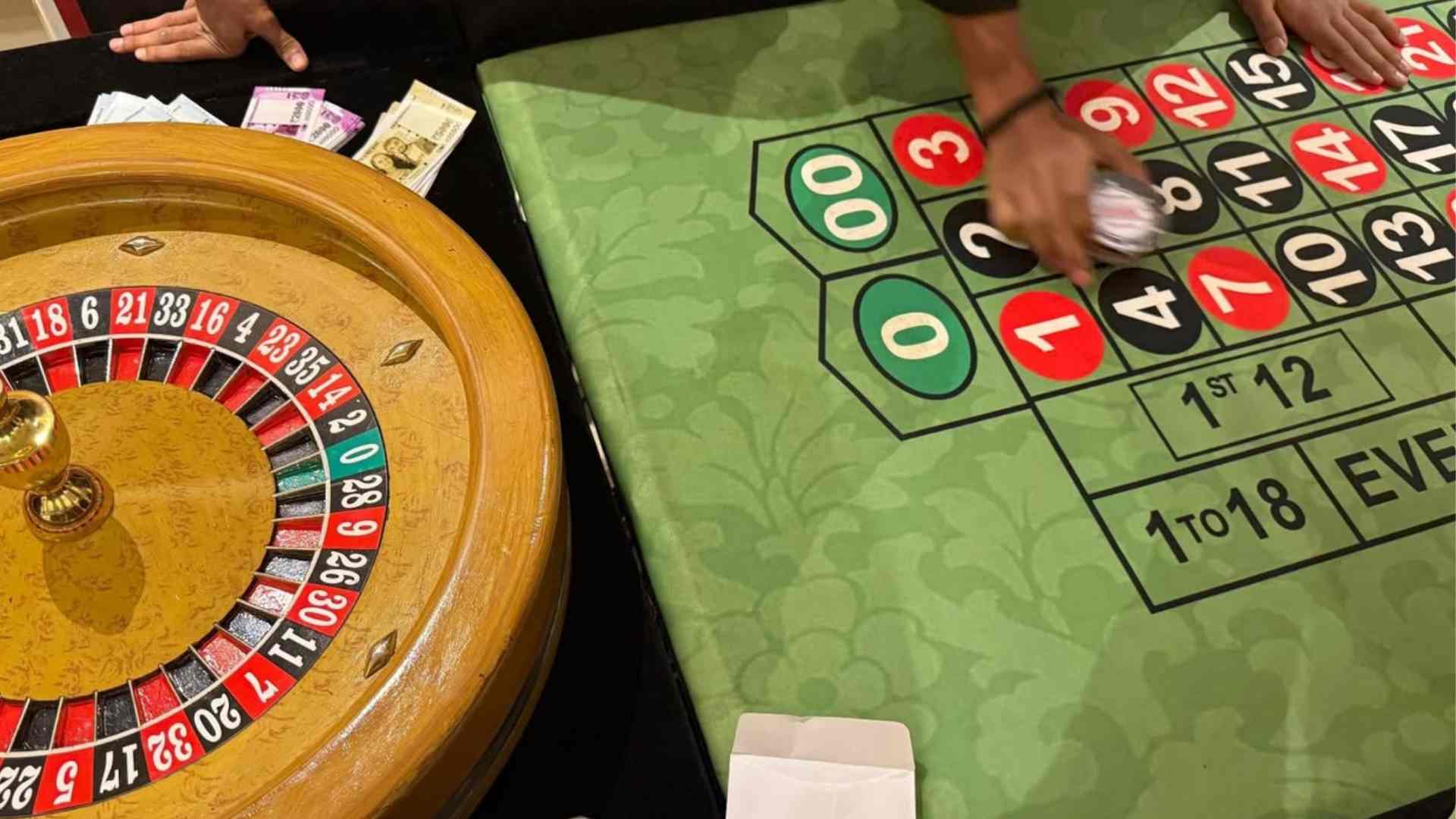
The allure of overcoming randomness has inspired countless strategies designed to beat the odds at traditional gaming tables. From complex mathematical progressions to tracking historical outcomes, enthusiasts constantly search for a reliable framework to guarantee success. However, the fundamental nature of probability ensures that pure chance remains the dominant force over any structured strategy.
The Fallacy of Predictable Patterns
Many popular wagering setups rely on the assumption that past events influence future outcomes in games of independent trials. This belief often leads individuals to increase their stakes after a series of losses, expecting a natural correction in probability. In reality, each individual deal or spin remains completely disconnected from what occurred in previous rounds.
Mathematical models consistently demonstrate that independent probabilities do not have a memory or an inherent balancing mechanism. Shifting variables might create temporary illusions of control, but they cannot alter the baseline mathematical constraints built into the game. Accepting this reality is the first step toward developing an objective understanding of how tabletop entertainment operates.
How Built In Advantages Protect the House
Every structured table game is mathematically engineered with a systematic edge that favors the operator over an extended period. This minor statistical advantage ensures that even the most sophisticated systems eventually succumb to the laws of large numbers. While individual participants can achieve remarkable short term success, long term outcomes gravitate toward the established baseline.
Betting progressions merely alter the speed and distribution of risk rather than eliminating the underlying house advantage entirely. For those interested in exploring modern gaming structures firsthand, checking out verified platforms via m88 mansion provides a clear look at how contemporary digital systems implement these classic rules. Ultimately, no combination of wagering adjustments can overcome a fundamental mathematical deficit over hundreds of successive rounds.
The Human Factor and Risk Mismanagement
Psychological biases often cause players to overestimate the effectiveness of their chosen systems during a winning streak. When temporary positive fluctuations occur, individuals credit their strategic framework rather than acknowledging simple good fortune. This cognitive bias can become dangerous when table conditions inevitably shift back toward standard probability distributions.
Strict adherence to rigid betting rules frequently forces participants to commit larger amounts of capital than originally intended. When a long series of negative outcomes occurs, the financial pressure can compromise sound decision making and exhaust available resources. Recognizing that chance governs the immediate horizon helps enthusiasts maintain clear boundaries and practice healthier risk management.
Embracing the Reality of Randomness
Accepting the supremacy of chance changes how participants engage with traditional tabletop pastimes across different generations. Rather than viewing a round as a problem to be solved with mathematics, experienced individuals approach it as an exercise in navigating uncertainty. This perspective fosters a deeper appreciation for the elegant mechanics that have defined card and table gaming for centuries.
While systems can offer a structured way to manage a session budget, they should never be mistaken for a guaranteed path to victory. Understanding that randomness cannot be controlled allows individuals to make more rational decisions before any choices are finalized. In the end, respecting the unpredictable nature of the draw remains the most practical approach to global table culture.