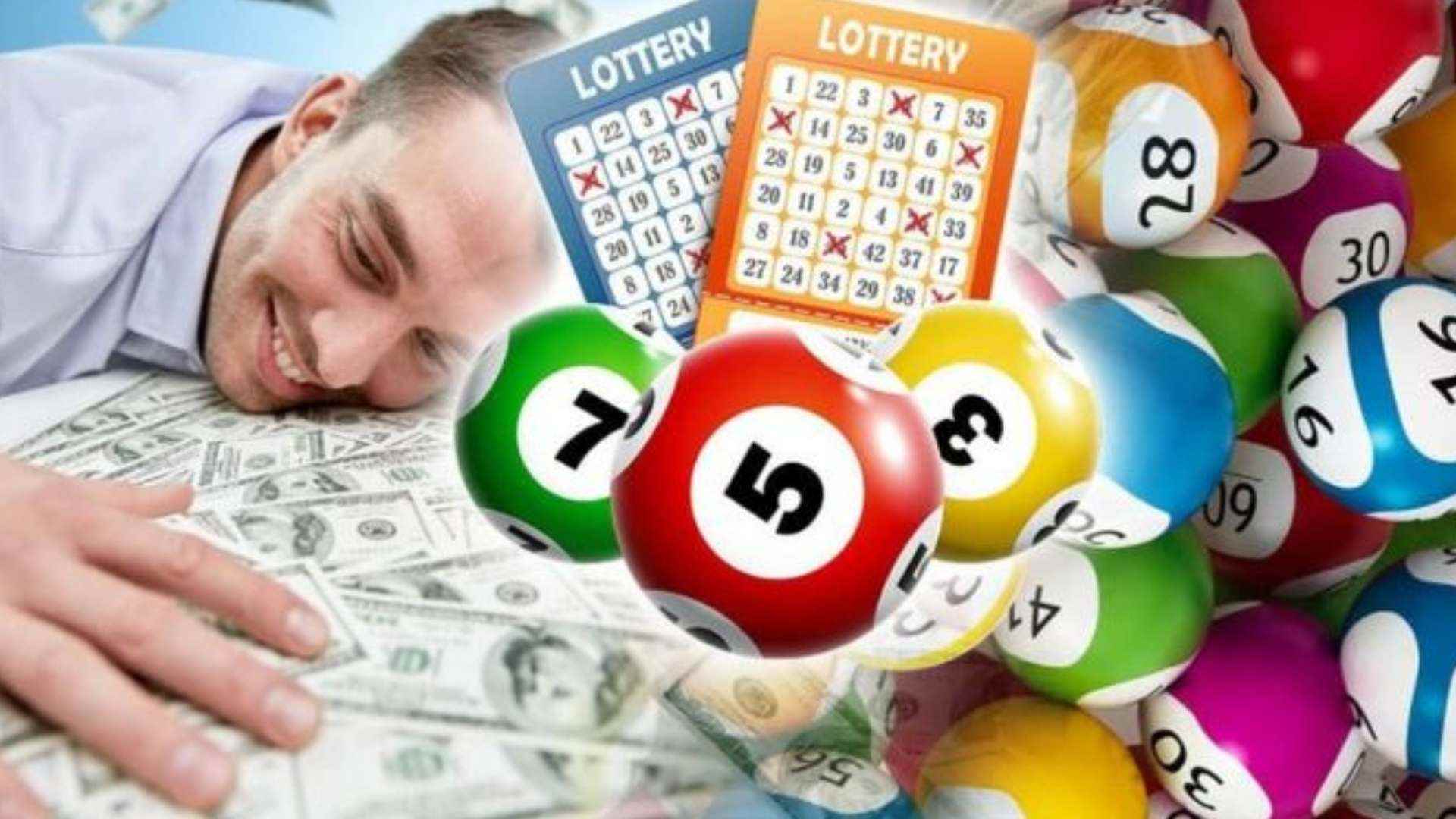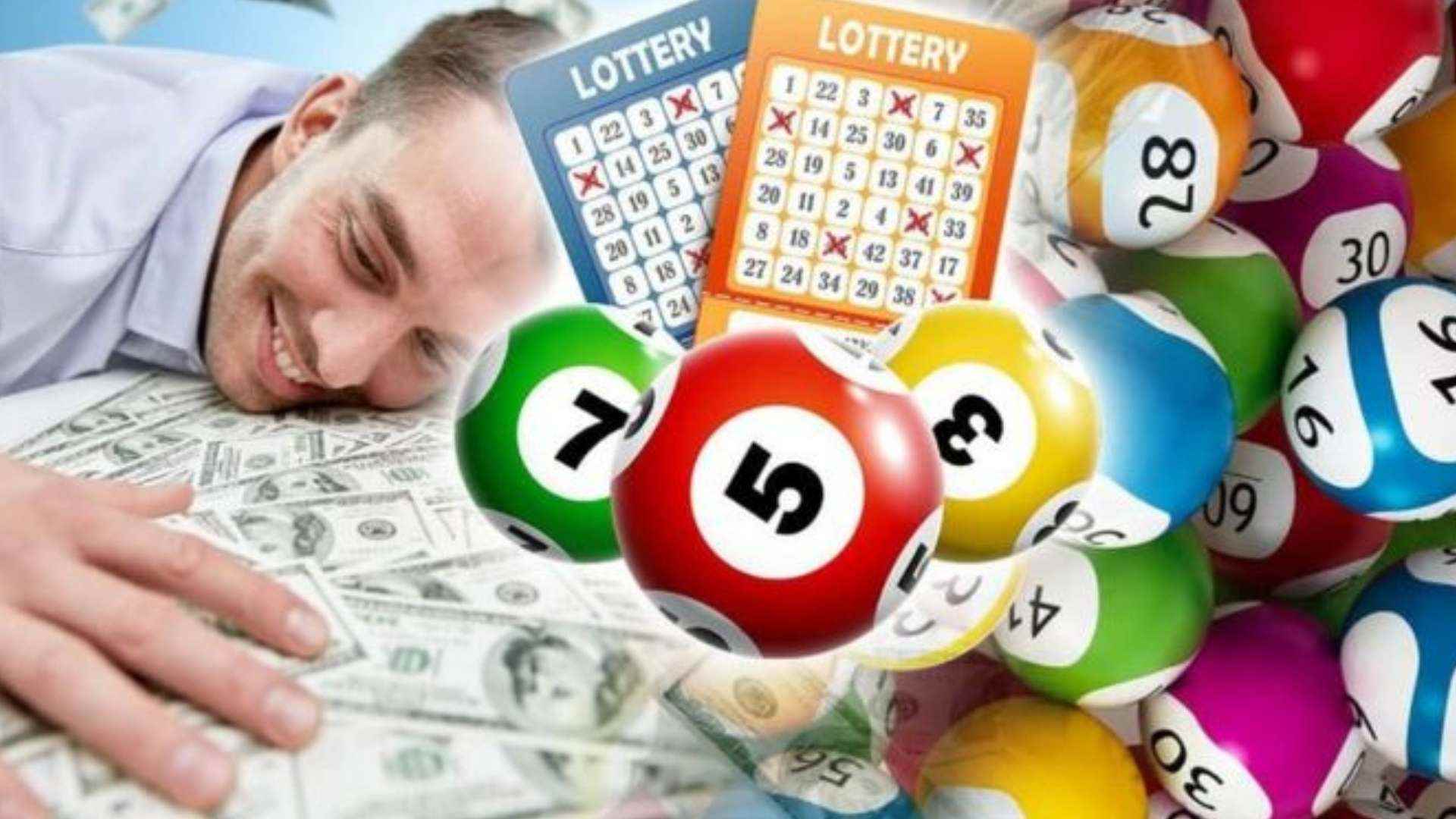
Millions of people around the globe purchase lottery tickets every week, despite knowing that the odds of winning a massive jackpot are astronomically low. Understanding what drives this persistent behavior requires examining a mix of psychological motivations, human perception of risk, and the low-cost entertainment value that draw games provide.
The Psychology of Hope and Anticipation
For many players, buying a ticket is less about the mathematical outcome and more about buying a temporary license to dream. The period between purchasing a ticket and the actual drawing allows individuals to imagine life-changing possibilities, such as paying off debt or traveling the world.
This cognitive experience, often referred to as availability heuristic, makes the concept of winning feel much closer and more tangible than statistics suggest. Even a tiny chance of success can trigger a release of dopamine driven by pure anticipation.
Understanding Mathematical Probability Versus Perception
Human minds are naturally wired to struggle with comprehending extremely large numbers and complex probabilities. When faced with odds like one in several hundred million, the human brain tends to treat any non-zero probability as a meaningful opportunity.
This cognitive bias often leads participants to focus heavily on the size of the potential reward rather than the likelihood of securing it. Many players stay informed through platforms like wd boss link to track draw updates and check overall gaming trends.
The Value of Low-Cost Entertainment
Unlike traditional forms of high-stakes gambling, a lottery ticket usually costs only a small amount of money. This minimal financial entry fee allows consumers to view participation as an affordable form of personal entertainment comparable to buying a cup of coffee.
Because the loss is capped at a negligible figure, players feel comfortable taking the risk for the fun involved. The fun of shared participation among family or coworkers further enhances its social appeal.
Social Dynamics and Community Traditions
Lottery participation often extends beyond individual choice into shared cultural traditions and workplace pools. Joining a group to collect tickets creates a sense of camaraderie and shared excitement among participants.
Furthermore, major jackpots often dominate public conversation and news headlines, creating a fear of missing out if everyone around is participating. This social momentum encourages even casual observers to buy a ticket during historic prize rollovers.
Maintaining Balance and Healthy Gaming Habits
While playing the lottery can offer lighthearted fun and excitement, maintaining a clear perspective on spending is essential. Treating ticket purchases strictly as entertainment rather than a financial strategy keeps the experience safe and manageable.
Setting strict personal spending limits ensures that participating in local or national drawings remains an enjoyable activity. Recognizing the distinction between fantasy and realistic financial planning leads to healthier gaming habits over time.